Welcome,Flow Switches,Shanghai ZanKe Automation Technology Co., Ltd Hotline:18001874240
Language:
 ∷
∷

∷
∷


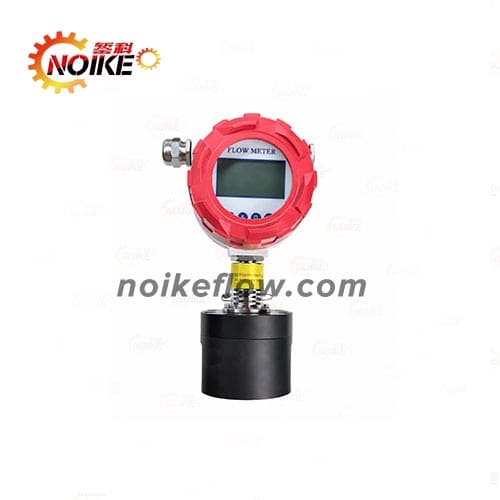
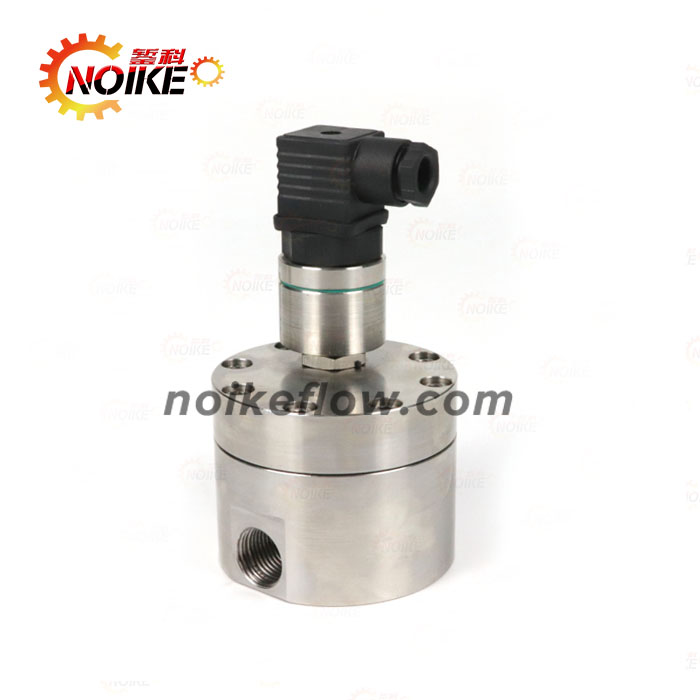
A High-Precision Micro Gear Flow Meter is a positive displacement (PD) flow meter specifically designed for the accurate measurement of extremely low liquid flow rates. It can measure flows as low as 0.5 mL/min while maintaining an accuracy of up to ±0.2% FS (standard accuracy ±0.5% FS).
Unlike conventional flow meters that estimate flow based on velocity, a gear flow meter measures the actual volume of liquid passing through the meter by counting the precise rotation of internal gears. This makes it ideal for applications requiring high accuracy, excellent repeatability, and stable performance at very low flow rates.
A micro gear flow meter operates using the positive displacement principle.
As liquid enters the flow meter, the pressure difference between the inlet and outlet drives two precision gears to rotate. Each rotation displaces a fixed volume of liquid. By detecting the number of gear rotations, the flow meter accurately calculates both instantaneous flow rate and totalized volume.
Flow Rate = Displacement per Revolution × Number of Gear Rotations
Because the measurement is based on a fixed displacement rather than flow velocity, the flow meter provides highly stable and repeatable measurements.
Accuracy up to ±0.2% FS
Standard accuracy ±0.5% FS
Excellent repeatability
Long-term measurement stability
Ideal for precision dosing, metering, and automated process control.
The flow meter is capable of measuring liquid flow rates as low as:
0.5 mL/min
This makes it suitable for:
Precision dosing systems
Laboratory instruments
Medical equipment
Chemical injection systems
Semiconductor fluid delivery
Adhesive dispensing equipment
Unlike turbine or electromagnetic flow meters, a gear flow meter is largely unaffected by:
Flow velocity
Reynolds number
Laminar or turbulent flow conditions
Fluid density variations
This ensures reliable performance even under low-flow operating conditions.
As fluid viscosity increases, internal leakage between the gears decreases, resulting in improved measurement accuracy.
Typical media include:
Lubricating oil
Hydraulic oil
Resin
Adhesives
Polymer solutions
Ink
Chemical liquids
Fuel oils
| Parameter | Specification |
|---|---|
| Accuracy | ±0.5% FS, ±0.2% FS |
| Minimum Flow Rate | 0.5 mL/min |
| Viscosity Range | 2–200 mPa·s (higher viscosity available upon request) |
| Medium Temperature | -20°C to +80°C (up to 200°C with cooling radiator) |
| Working Pressure | 1.6 MPa, 2.5 MPa, 6.4 MPa (custom high-pressure versions available) |
| Materials | Cast Iron, Cast Steel, Stainless Steel |
| Power Supply | 24 VDC |
| Output Signal | Pulse, 4–20 mA |
| Explosion Protection | Ex ia IIC T5 |
| Thermal Jacket | Optional |
Precision gears require clean media for reliable operation.
Fluids containing:
Metal particles
Sand
Powder
Solid contaminants
may cause:
Gear jamming
Internal wear
Reduced measurement accuracy
Installing a suitable filter upstream is strongly recommended.
Entrained air or gas may introduce measurement errors because gas occupies part of the displacement volume.
For best performance:
Keep the pipeline completely filled with liquid.
Prevent cavitation.
Remove trapped air before operation.
Higher-viscosity liquids produce less internal leakage, resulting in:
Better accuracy
Improved repeatability
More stable long-term performance
High-precision micro gear flow meters are widely used in:
Precision dosing systems
Chemical processing
Pharmaceutical manufacturing
Medical devices
Laboratory equipment
Lubrication systems
Hydraulic systems
Ink and coating equipment
Resin and adhesive dispensing
Semiconductor manufacturing
Battery production
Industrial automation
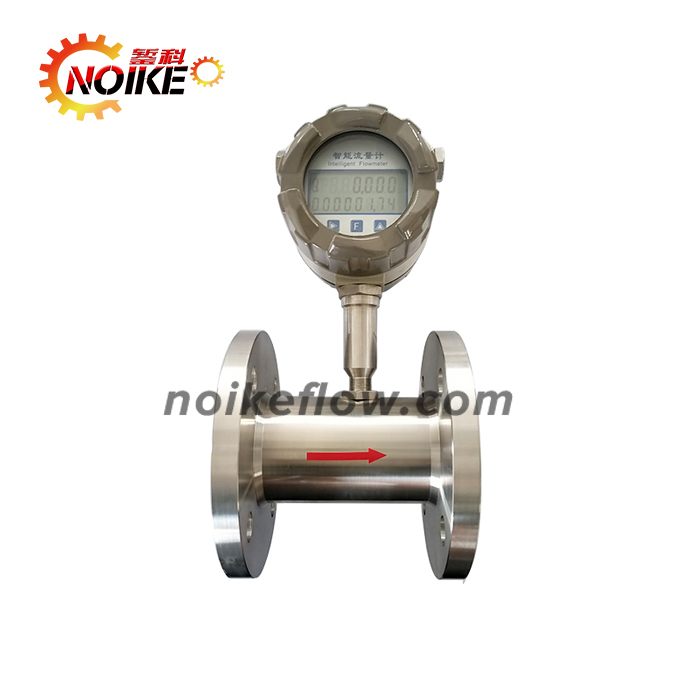
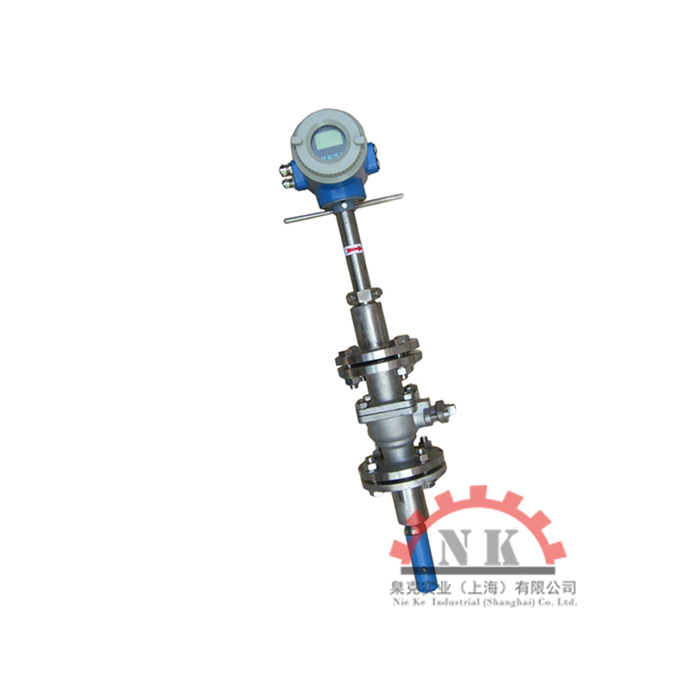
| Comparison | Gear Flow Meter | Electromagnetic Flow Meter | Turbine Flow Meter |
| Ultra-Low Flow Measurement | ★★★★★ | ★★ | ★★★ |
| High-Viscosity Liquids | ★★★★★ | ★ | ★★ |
| Measurement Accuracy | ★★★★★ | ★★★★ | ★★★★ |
| Repeatability | ★★★★★ | ★★★★ | ★★★ |
| Low-Flow Stability | ★★★★★ | ★★ | ★★★ |
| Precision Metering | ★★★★★ | ★★★ | ★★★ |
Micro gear flow meters are suitable for clean liquids such as lubricating oils, hydraulic oils, resins, adhesives, fuels, solvents, and many chemical liquids. They are not recommended for fluids containing large solid particles or fibrous materials.
Yes. Depending on the model, the minimum measurable flow rate can be as low as 0.5 mL/min, making it ideal for precision liquid measurement and dosing applications.
Standard output options include:
Pulse output
4–20 mA analog output
Digital communication interfaces can also be customized for specific applications.
The standard operating temperature range is -20°C to +80°C. With an optional cooling radiator, the maximum medium temperature can reach 200°C.
A High-Precision Micro Gear Flow Meter provides an ideal solution for precise low-flow liquid measurement. Based on the positive displacement principle, it offers exceptional accuracy, outstanding repeatability, and excellent performance with high-viscosity fluids.
Capable of measuring flow rates as low as 0.5 mL/min, it is widely used in industries such as chemical processing, pharmaceuticals, laboratories, medical devices, semiconductor manufacturing, battery production, and industrial automation. With multiple output options and customizable configurations, it is the preferred choice for high-accuracy fluid metering and process control.
Contact:Mr.Tu
Tel:18001874240
Email:noike009@foxmail.com