Welcome,Flow Switches,Shanghai ZanKe Automation Technology Co., Ltd Hotline:18001874240
Language:
 ∷
∷

∷
∷


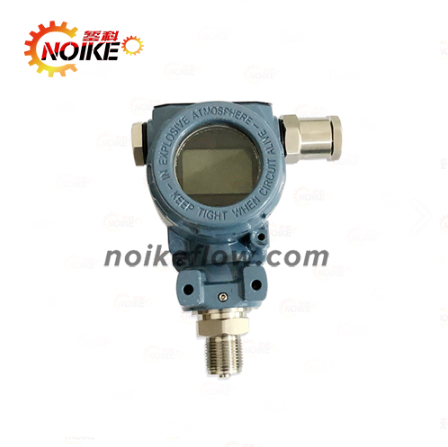
Modern industrial systems require pressure sensors that deliver high accuracy, excellent long-term stability, and reliable operation under demanding conditions. Ceramic capacitive pressure sensors have become a preferred solution for hydraulic systems, pneumatic equipment, compressors, refrigeration, and industrial automation due to their robust ceramic sensing element and superior overload capability.
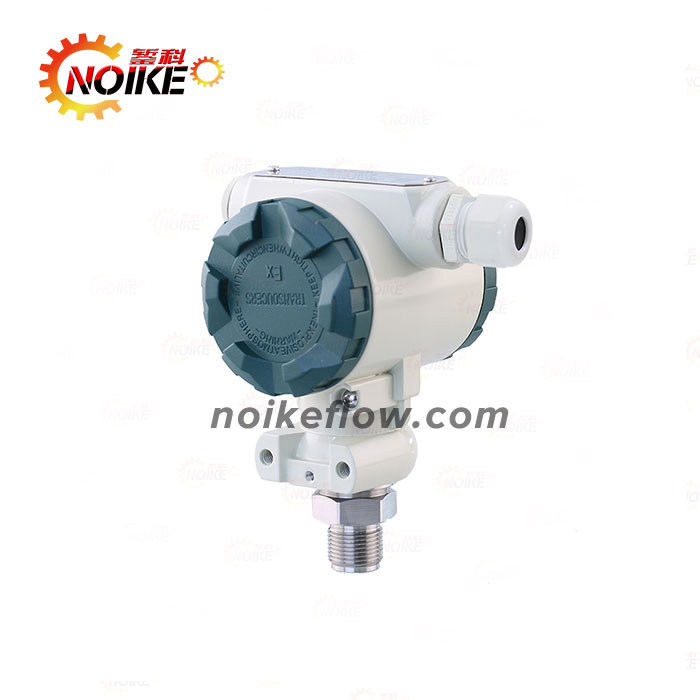
NOIKE-AH manufactures high-performance Ceramic Capacitive Pressure Sensors designed to provide accurate and stable pressure measurement across a wide range of industrial applications.
A ceramic capacitive pressure sensor measures pressure by detecting changes in capacitance.
When pressure is applied to the ceramic diaphragm, the distance between the capacitor plates changes, causing the capacitance value to increase proportionally with the applied pressure.
The internal electronics convert this capacitance change into a precise electrical output such as:
4–20 mA
0–10 V
RS485 (optional)
Other customized industrial outputs
Because ceramic materials exhibit excellent elasticity and chemical resistance, the sensor maintains high measurement stability even after years of continuous operation.
Accuracy classes available:
±0.1% FS
±0.2% FS
±0.5% FS
Repeatability: ≤ ±0.01% FS
Hysteresis: ≤ ±0.01% FS
Linearity: ±0.2% FS or ±0.5% FS
Annual stability better than 0.1% Full Scale
Outstanding measurement consistency
Reduced recalibration frequency
Ideal for continuous industrial monitoring.
The ceramic sensing element withstands significant pressure overload while maintaining measurement performance.
Benefits include:
Longer service life
Lower maintenance costs
Improved operational reliability
The ceramic sensing surface offers excellent resistance to:
Water
Hydraulic oil
Compressed air
Mild chemicals
Industrial process media
A flush diaphragm version is also available for measuring viscous, sticky, or particle-containing fluids.
Available options include:
Field-adjustable Zero
Field-adjustable Span
Integrated LED Display
Multiple electrical outputs
Custom pressure ranges
| Parameter | Specification |
|---|---|
| Measuring Range | Customizable |
| Accuracy | ±0.1%, ±0.2%, ±0.5% FS |
| Repeatability | ≤ ±0.01% FS |
| Hysteresis | ≤ ±0.01% FS |
| Linearity | ±0.2% / ±0.5% FS |
| Response Time | <5 ms (10–90% FS) |
| Power Supply | 10–36 VDC |
| Output Load | ≤1 kΩ |
| Current Consumption | Signal Current (2-wire) / 8 mA (3-wire) |
| Ambient Temperature | -30°C to +85°C |
| Process Temperature | -30°C to +80°C |
| Storage Temperature | -30°C to +85°C |
| Protection Rating | IP65 |
| Housing Material | Die-Cast Aluminum |
Designed for demanding industrial environments, the sensor offers:
Temperature Coefficient: ≤ ±0.02% FS/K
Long-Term Stability: Better than 0.1% FS per year
Excellent Electromagnetic Interference (EMI) Resistance
Stable performance under temperature fluctuations
These characteristics make it suitable for both indoor and outdoor industrial installations.
The ceramic capacitive pressure sensor is suitable for measuring both liquid and gas pressure in a wide range of industries.
Typical applications include:
Hydraulic Systems
Pneumatic Systems
Air Compressors
Refrigeration Equipment
HVAC Systems
Steel Manufacturing
Industrial Machinery
Lifting Equipment
Conveying Systems
Process Automation
Factory Automation
OEM Equipment
Compared with conventional metal diaphragm pressure sensors, ceramic capacitive sensors offer several advantages:
Higher overload capability
Excellent corrosion resistance
Better long-term stability
Minimal drift
High measurement accuracy
Low maintenance requirements
Long service life
These advantages make ceramic capacitive technology an excellent choice for industrial pressure monitoring where reliability and precision are critical.
Contact:Mr.Tu
Tel:18001874240
Email:noike009@foxmail.com